Active leaks and interior water stains
We trace the leak to the entry point, not just the ceiling spot, then repair the roofing layer, flashing, and underlayment details that are actually letting water in.
Serving Lake Mary, Florida & surrounding areas
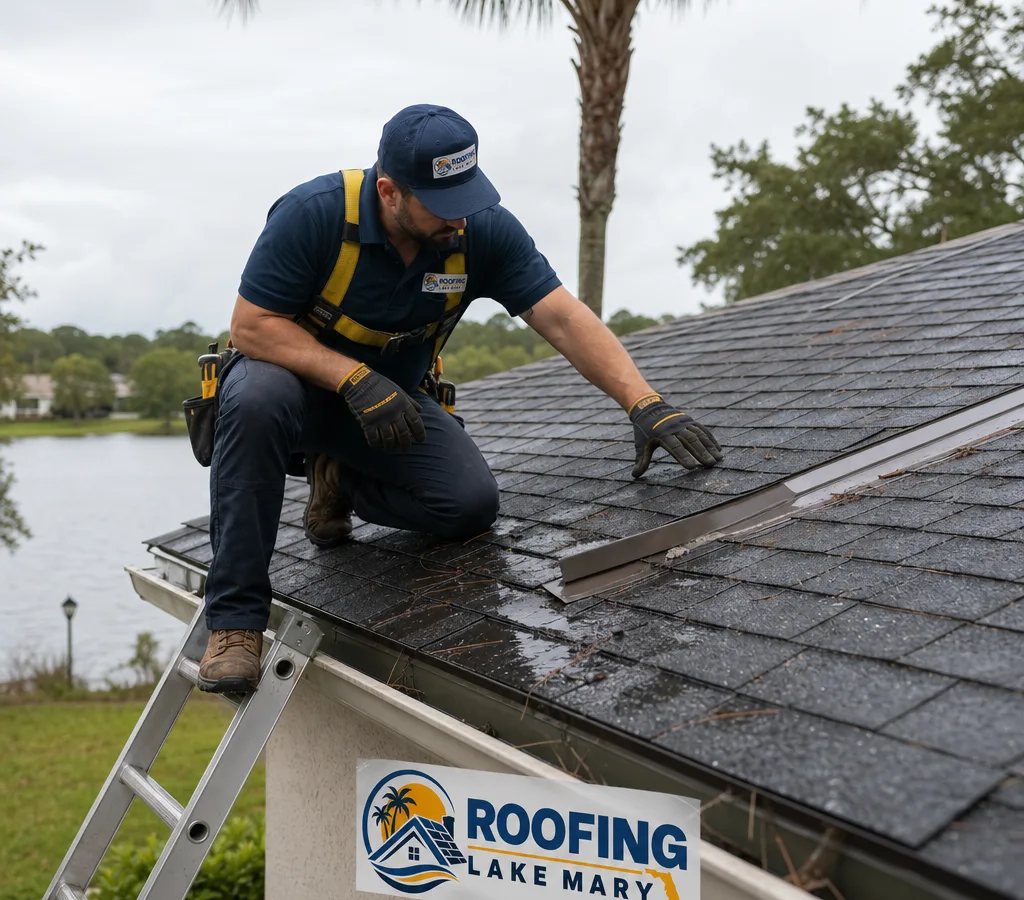
Stop leaks fast, document storm damage, and get a clear repair plan from a local crew that works on Florida roofs every day.
If you searched for roof repair Lake Mary FL, you probably have a specific problem: water showing up where it should not, shingles that lifted in a storm, or a roof that is simply worn and starting to let go at the edges. Roofing Lake Mary focuses on repairs that hold up in Florida heat, humidity, and sudden wind-driven rain.
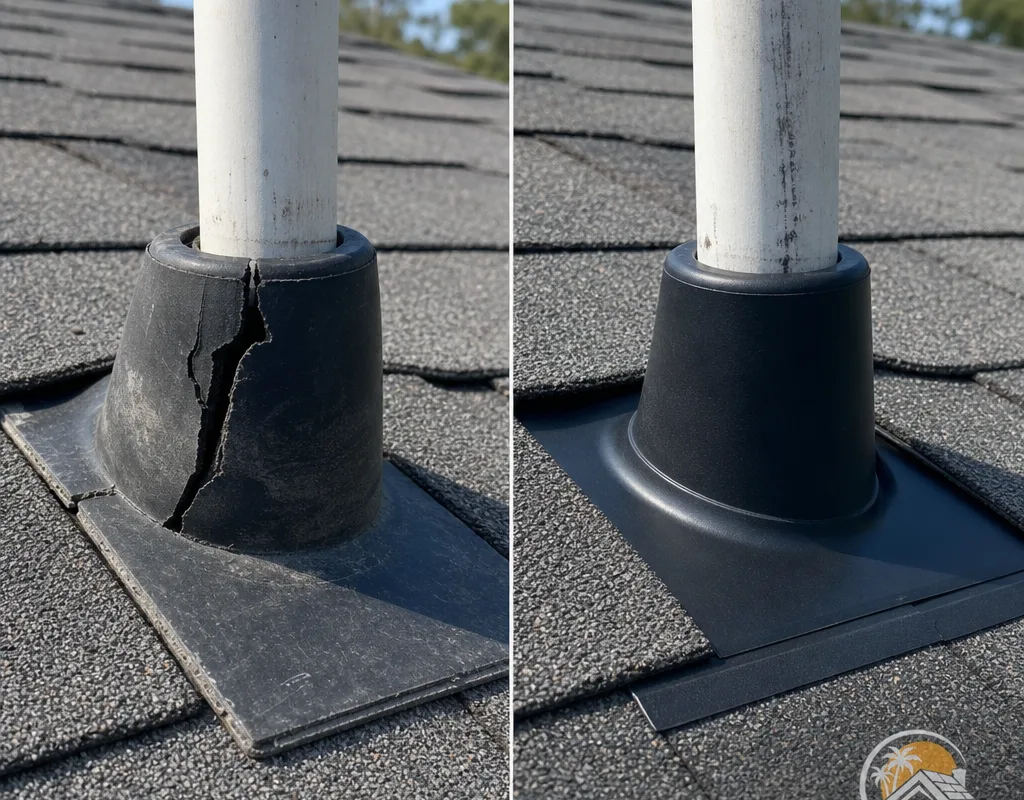
Most leaks we track down are not the big, obvious hole people expect. They are usually around roof penetrations such as pipes and vents, flashing transitions at walls, chimneys, and skylights, valleys that catch heavy runoff, or fasteners that have backed out over time. Another common pattern is shingle adhesive strips losing grip after years of sun exposure, which makes blow-offs more likely when storms roll through.
You will get a written scope that explains what failed, what we will replace or reseal, and what we recommend watching next. If the roof is beyond a responsible repair, we will tell you plainly. We also provide broader help with assessments and roofing needs beyond repairs.
We trace the leak to the entry point, not just the ceiling spot, then repair the roofing layer, flashing, and underlayment details that are actually letting water in.
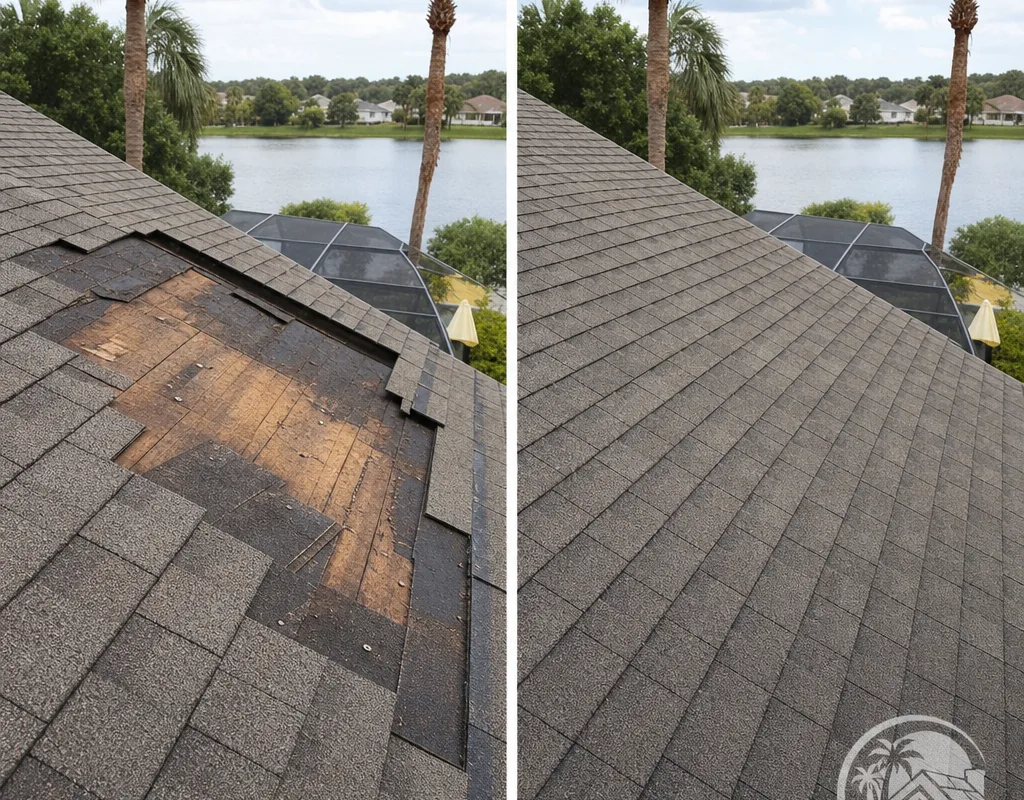
We replace missing or creased shingles, resecure loosened areas, and check ridge caps, hip lines, and roof edges where wind damage usually starts.
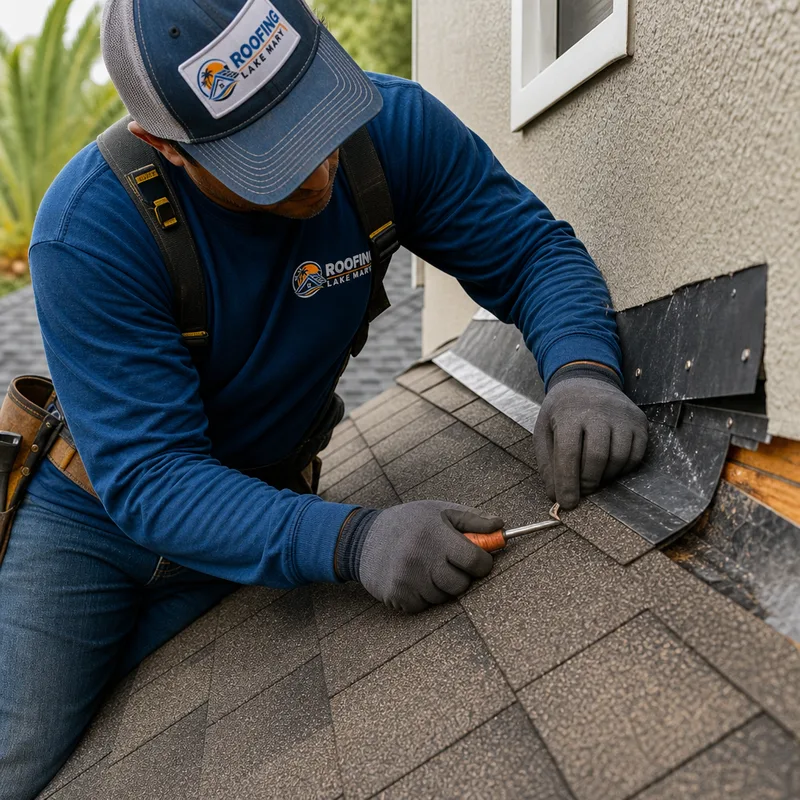
Loose or rusted flashing at walls, step flashing at roof-to-wall areas, and poor seals around penetrations are repaired with correct overlap and fastening.
We repair valley metal, underlayment issues, and shingle alignment problems that let fast-moving runoff drive under the roof covering.
For tile roofs, we replace cracked tiles, reset slipped tiles, and address underlayment exposure so the system stays watertight.
On flat or low-slope areas, we repair splits, punctures, and failed seams using compatible materials and a patch method appropriate for the membrane type.
A good roof repair starts with a real diagnosis. Water can travel along decking, underlayment, and rafters before it shows up inside, so the ceiling stain is rarely the repair location.
We begin with an exterior assessment of the suspect planes and transitions: valleys, vents, ridge, edges, and any spots where different materials meet. We look for lifted tabs, exposed nail heads, failed sealant, cracked boots, punctures, and flashing that has shifted. If it is safe and conditions allow, we also check the attic side for wet decking, dark staining, and the path water is taking.
Then we repair the system, not just the symptom. That can mean replacing damaged shingles, reworking flashing, swapping a failed pipe boot, resealing correctly where sealant is appropriate, and replacing underlayment where it has been compromised. When repairs are complete, we clean up debris and document what was done so you have a record for your files or insurance conversations.
Lake Mary's summer downpours are hard on weak details. Getting the flashing and overlaps right is what keeps a small issue from turning into repeated callbacks.
Tell us what you are seeing inside and outside, when the leak happens, and whether there were recent storms. We prioritize active leaks and wind damage that can worsen with the next rain.
We inspect the roof surface and key transitions, then share clear photos of the problem areas so you can see what we are basing the repair on.
You get a straightforward description of what we will repair, what materials are involved, and what related issues we noticed that may affect the roof soon.
We protect landscaping and access areas, complete the repair with compatible materials, and keep the work area clean.
We review the repaired area, note what was replaced or resealed, and leave you with documentation useful for maintenance planning or a claim file.
Most roof repair jobs in Lake Mary typically range from about $250 to $1,500, depending on the leak source and how much material has to be removed and rebuilt. A small flashing or pipe-boot repair is often at the lower end, while valley work, multiple missing shingles, or repairs that include decking or underlayment replacement trend higher.
Your final price depends on roof type, height and access, how many areas are affected, material matching, and whether the problem has caused hidden damage. The exact cost is confirmed after an on-roof assessment so the scope reflects what is actually failing.
“We had a leak that only showed up during heavy rain. They traced it to flashing near a wall transition, explained it with photos, and the repair has stayed dry through multiple storms.”
“After a windy night we found shingles in the yard. The repair was scheduled quickly and the scope was clear about what was replaced versus what was still in good shape.”
“I appreciated that they did not push a full replacement. They repaired the actual problem area and pointed out a couple of spots to keep an eye on next season.”
Often, yes, especially for active leaks where a straightforward flashing or shingle repair solves the problem. Availability depends on weather conditions and whether the repair needs special materials for a match, but we prioritize situations where water is entering the home.
No, the stain is usually not the entry point. Water can travel along decking, underlayment, and framing before it drops, so the repair has to be based on roof details like valleys, penetrations, and flashing transitions rather than the interior spot alone.
We aim to match as closely as possible, but exact matches depend on the product line, age, and sun fading common on Florida roofs. When a perfect match is not available, we explain the options, including best-match replacement and ways to keep the repaired area visually consistent.
If it is safe, move belongings away from the wet area and place a container to catch drips, then note when the leak happens. Avoid going on the roof, especially when wet, and let a professional confirm the source from the exterior.
Yes, we can document visible storm-related damage with photos and a clear repair scope, which can help you communicate with your adjuster. Claim decisions and coverage are set by your policy and insurer, but good documentation of roof conditions and required repairs is useful.
A repair makes sense when the roof covering is generally serviceable and the failure is localized. If the roof has widespread deterioration, repeated leak points, or extensive underlayment and decking issues, replacement may be the safer long-term option, and we will tell you what we see during the assessment.
If you suspect a leak or storm damage, getting it assessed early is usually the difference between a contained repair and bigger interior work later.
Call for a Request ServiceTell us what you are seeing and when it happens, and we will schedule an assessment, pinpoint the source, and provide a written scope with clear next steps.